The Unique Qualities of Raphia
Raphia, a remarkable natural fibre derived from the leaves of the raphia palm, has long captivated artisans and consumers alike due to its unique properties and versatility. As the world seeks more sustainable fashion options, the allure of raphia bags continues to grow. This article delves into the origins, aesthetics, durability, and care of raphia, offering valuable insights into why it has become a staple in the contemporary fashion landscape.
What Is Raphia and Its Origins?
Raphia is a natural fibre extracted from the long fronds of the raphia palm trees, predominantly found in tropical regions across Africa, Madagascar, and parts of South America. With its unique texture and flexibility, raphia has been used for centuries in various traditional crafts, including basket weaving and mat making. The process of harvesting and preparing raphia is labour-intensive, requiring artisans to carefully select and prepare the palm leaves, ensuring each strand maintains its strength and vibrancy.
The Natural Aesthetics of Raphia Bags
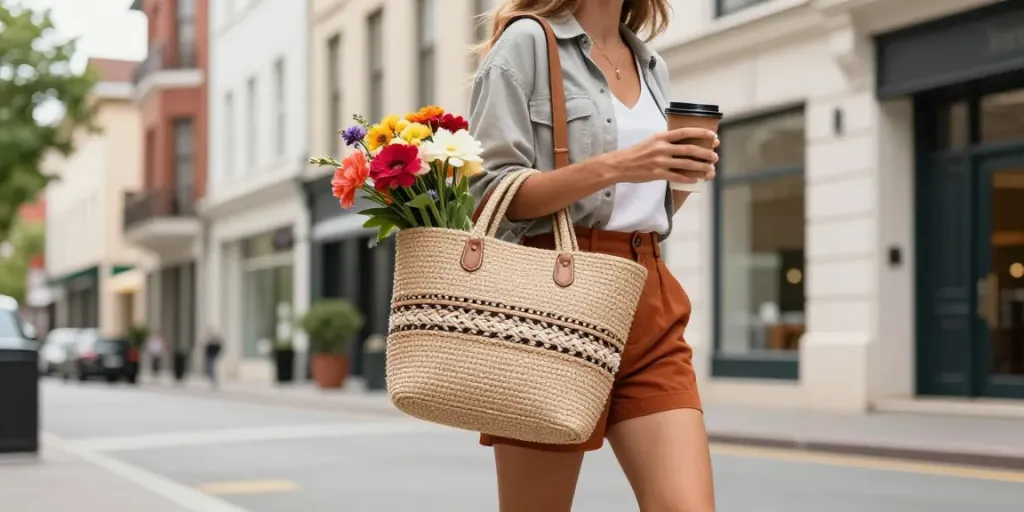
Raphia bags are celebrated not only for their durability but also for their aesthetic appeal. The natural colour variations in raphia create a unique design that cannot be replicated, making each bag a true one-of-a-kind piece. The ability to dye raphia in a myriad of colours further enhances its allure, allowing designers to create stunning accessories that blend seamlessly with a variety of ensembles. The ecological aspect of these bags resonates with consumers who increasingly seek eco-friendly alternatives to synthetic materials.
Durability and Longevity of Raphia Accessories
One of the defining qualities of raphia is its exceptional durability. When properly cared for, raphia bags can withstand daily wear and tear, making them a practical choice for everyday use. The natural fibres possess a level of elasticity, allowing them to maintain their shape without losing structural integrity. This durability is coupled with a lightweight feel, making raphia bags easy to carry while remaining stylish.
Comparing Raphia to Synthetic Materials
As the fashion industry evolves, the comparison between natural and synthetic materials has become increasingly relevant. While synthetic materials like polyester and nylon offer certain advantages such as affordability and water resistance, they often come with significant environmental costs.
Environmental Impact: Raphia vs. Synthetic Options
Raphia is a renewable resource, sustainably harvested from palm trees that can grow back after being cut. In contrast, synthetic materials are derived from petroleum-based products, contributing to environmental degradation and pollution. The production of synthetic fibres generates a substantial carbon footprint, whereas raphia’s production is significantly less harmful to the ecosystem.
Cost-Effectiveness of Raphia Products
While raphia products may have a higher initial cost compared to synthetic alternatives, their long-lasting nature often makes them more cost-effective over time. Consumers experience the value of investing in high-quality, artisanal items that don’t require frequent replacement. Additionally, raphia bags are increasingly considered luxury items, aligning with modern consumers’ desire for unique and sustainable fashion.
Style Versatility: Matching Raphia with Contemporary Trends
The versatility of raphia allows it to fit seamlessly with various fashion trends. Whether paired with casual attire or more formal outfits, raphia bags enhance the wearer’s ensemble without overwhelming it. Designers are continually innovating with raphia, creating statement pieces that echo current trends while maintaining a timeless appeal.
How to Care for Your Raphia Bag
To maximise the lifespan of your raphia bag, proper care and maintenance are essential. Adopting a proactive approach to upkeep ensures your bag remains beautiful and functional for years to come.
Essential Maintenance Tips for Longevity
When caring for a raphia bag, store it in a cool, dry place away from direct sunlight to prevent fading. Regularly check for any signs of wear, and gently reshape the bag if it loses its form. Avoid overloading your raphia bag with heavy items, as excessive weight can lead to deformation.
Cleaning and Storing Raphia Safely
To clean your raphia bag, use a damp cloth to wipe down its surface, and avoid immersing it in water, as this can cause the fibres to swell and lose their shape. For stubborn stains, a gentle soap solution may be applied using a soft brush. Additionally, ensure to store the bag in a breathable cotton bag rather than plastic, which can trap humidity and cause mould.
Common Misconceptions About Raphia Care
A prevalent misconception is that raphia is not suitable for everyday use due to its delicate nature. In reality, with proper care, raphia bags are incredibly resilient and can endure daily activities, making them a stylish yet practical choice for consumers.
Choosing the Right Raphia Bag for You
Selecting the perfect raphia bag can enhance your personal style and serve as a functional accessory. Understanding your preferences and lifestyle can help you make an informed choice.
Identifying the Perfect Design and Style
Raphia bags come in various designs, from chic totes to elegant clutches. Consider the occasions you plan to use the bag for—whether it’s for casual outings, work, or formal events. A versatile design can seamlessly transition between different settings, enhancing your wardrobe.
Accessorising Your Raphia Bag for Any Occasion
Accessorising your raphia bag can elevate your outfit. Pair it with complementary accessories, such as bold jewellery or a stylish scarf, to create a cohesive look. The natural tones of raphia also allow for experimentation with vibrant colours and patterns in clothing and accessories.
Top Brands Leading in Raphia Fashion
Many brands are now specialising in raphia fashion, offering a range of styles and designs. From artisanal boutiques creating unique pieces to larger fashion houses incorporating raphia into their collections, the options are plentiful. Researching reputable brands can lead you to high-quality products that align with your values.
Future Trends in Raphia Fashion by 2026
As the demand for sustainable fashion rises, we can anticipate significant developments in the raphia industry by 2026. The nature of style is ever-evolving, and raphia is likely to play a prominent role in this transformation.
Emerging Styles and Patterns in Raphia Bags
Future predictions suggest a shift towards bold designs and innovative patterns in raphia bags. Expect to see more experimental shapes, vibrant colour palettes, and intricate detailing, as artisans push the boundaries of traditional crafting techniques while still honouring time-honoured methods.
Consumer Preferences Shaping the Raphia Market
Today's consumers are more conscious of their purchasing decisions, often opting for products that are ethical and sustainable. This trend is expected to shape the raphia market significantly in the coming years, with brands that prioritise transparency and sustainability gaining greater traction.
Innovative Uses of Raphia Beyond Bags
As the versatility of raphia is increasingly recognised, it is likely to be utilised in various other sectors, including home decor, fashion apparel, and even accessories like hats and shoes. The adaptability of raphia opens up exciting possibilities for creative innovation in the fashion industry.
Conclusion
In summary, raphia stands as a testament to the beauty and functionality of natural materials in contemporary fashion. Its unique qualities, sustainable profile, and aesthetic versatility make it a preferred choice for discerning consumers. By understanding how to care for and style raphia products, you not only invest in durable accessories but also contribute to a more sustainable future in fashion.